What is Building Commissioning? A Comprehensive Guide
Jan 29, 2025

In today's complex built environment, ensuring a building performs as intended is paramount. From energy efficiency and occupant comfort to system reliability and regulatory compliance, the stakes are high. This is where building commissioning comes in. This comprehensive guide will explore the basics of building commissioning, its importance, and the various types, providing a foundational understanding of this critical process.
Defining Building Commissioning:
Building commissioning is a systematic, quality-focused process that verifies and documents that all building systems and equipment are designed, installed, tested, and are capable of being operated and maintained to perform in accordance with the owner's project requirements (OPR). It's not simply about checking if things work; it's about ensuring they work together efficiently and effectively to meet the building's intended purpose. Think of it as a comprehensive health check for your building, ensuring all its vital organs (HVAC, lighting, electrical, plumbing, etc.) are functioning optimally.
The Importance of Building Commissioning
Commissioning offers a multitude of benefits, contributing to a building's overall success and long-term value. These benefits include:
Improved Energy Efficiency: Commissioning identifies and corrects inefficiencies in building systems, leading to significant energy savings and reduced operating costs. By optimizing HVAC systems, lighting controls, and other energy-consuming equipment, commissioning ensures the building performs closer to its design intent.
Enhanced Occupant Comfort and Productivity: Commissioning ensures that building systems create a comfortable and healthy environment for occupants. This includes optimizing temperature, ventilation, lighting, and indoor air quality, leading to increased occupant satisfaction and productivity.
Reduced Operational Costs: By identifying and resolving issues early on, commissioning minimizes costly repairs, downtime, and premature equipment failure. Optimized system performance translates to lower energy bills and reduced maintenance expenses.
Increased Building Lifespan: Properly commissioned buildings experience less wear and tear on their systems, extending their lifespan and reducing the need for costly replacements.
Minimized Risk and Liability: Commissioning helps ensure compliance with building codes, regulations, and industry standards, reducing the risk of legal issues and potential liabilities.
Improved System Reliability: Commissioning verifies that systems are installed and operating correctly, minimizing the risk of unexpected failures and disruptions.
Better Documentation: Commissioning generates comprehensive documentation, including test results, operating manuals, and maintenance procedures, which are essential for efficient building operation and maintenance.
Enhanced Project Delivery: Commissioning promotes collaboration among design, construction, and operations teams, leading to a smoother project delivery process and fewer surprises.
Sustainable Building Practices: Commissioning is a key component of green building certifications, such as LEED, demonstrating a commitment to sustainability and environmental responsibility.
The Building Commissioning Process
The commissioning process typically involves several phases, each with specific activities and deliverables:
Pre-Design Phase: This phase focuses on defining the owner's project requirements (OPR) and establishing the commissioning scope. It involves identifying key performance goals, setting energy efficiency targets, and selecting a qualified commissioning provider.
Design Phase: During this phase, the commissioning provider reviews the design documents to ensure they align with the OPR and identify potential issues. They provide feedback on system design, equipment selection, and control strategies.
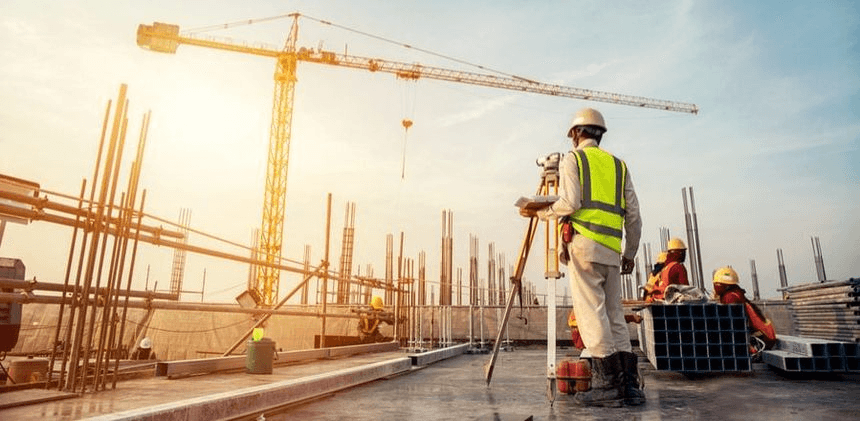
Construction Phase: The commissioning provider observes the construction process, verifies proper installation of equipment, and conducts functional testing of systems. They also develop and implement the commissioning plan.
Acceptance Phase: This phase involves comprehensive testing and verification of all building systems to ensure they meet the OPR. The commissioning provider develops and executes test procedures, documents the results, and prepares the final commissioning report.
Occupancy and Operations Phase: This phase focuses on training building operators on how to operate and maintain the building systems. The commissioning provider may also conduct post-occupancy evaluations to identify any performance issues and make necessary adjustments. Ongoing or continuous commissioning can be implemented to ensure sustained performance.
Types of Building Commissioning
Building commissioning can be applied to various aspects of a building, leading to different types of commissioning:
Fundamental Commissioning: This is the most basic level of commissioning, focusing on verifying that essential building systems are operating as intended. It typically includes testing of HVAC, lighting, and basic controls.
Enhanced Commissioning: This goes beyond fundamental commissioning, encompassing a wider range of systems and features, such as building envelope, renewable energy systems, and advanced controls.
Retro-Commissioning: This involves commissioning existing buildings that have not been previously commissioned or have undergone significant renovations. It focuses on identifying and correcting operational inefficiencies in existing systems.
Re-Commissioning: This is the process of recommissioning a building that has been previously commissioned. It is typically performed periodically to ensure that systems continue to perform as intended over time.
Continuous Commissioning: This involves ongoing monitoring and optimization of building systems through the use of sensors, data analytics, and automated controls. It allows for proactive identification and resolution of performance issues.
Who is Involved in Building Commissioning?
Building commissioning is a collaborative process that involves various stakeholders, including:
Building Owner: The owner is ultimately responsible for the success of the commissioning process and sets the project requirements.
Commissioning Provider: The commissioning provider is a qualified professional who leads the commissioning process and acts as the owner's advocate.
Design Team: The design team, including architects, engineers, and consultants, is responsible for designing building systems that meet the owner's requirements.
Construction Team: The construction team is responsible for installing building systems according to the design documents and specifications.
Building Operator: The building operator is responsible for operating and maintaining the building systems after construction is complete.
The Future of Building Commissioning
The future of building commissioning is being shaped by technological advancements and evolving industry trends. These include:
Digital Twins and Virtual Commissioning: Creating digital replicas of buildings to simulate performance and optimize systems before construction.
Artificial Intelligence and Machine Learning: Using AI and ML to analyze building data, predict performance issues, and automate commissioning tasks.
Internet of Things (IoT) and Smart Buildings: Leveraging connected devices and smart building technologies to gather real-time data and optimize building performance.
Cloud-Based Commissioning Platforms: Using cloud-based platforms to manage commissioning data, collaborate with stakeholders, and track progress.
Conclusion:
Building commissioning is an essential process for ensuring that buildings perform as intended. It offers a multitude of benefits, from improved energy efficiency and occupant comfort to reduced operational costs and increased building lifespan. By understanding the basics of building commissioning, its importance, and the different types, building owners and professionals can make informed decisions and ensure the success of their building projects. As technology continues to advance, the future of building commissioning looks bright, promising even more efficient, sustainable, and occupant-centric buildings.