Does Quality Matters in Construction?
Mar 17, 2025

Quality isn’t just a checkbox in construction—it’s the silent language that communicates craftsmanship, safety, and trust. Every building that stands tall, every system that runs seamlessly, and every project that meets its deadline depends on one invisible backbone: quality management.
Yet, in the rush to meet timelines and budgets, many construction teams still treat quality as an afterthought. The question, “Does quality really matter in construction?” might sound rhetorical, but in an industry where the smallest oversight can become a million-dollar mistake, it deserves a deeper look.
This article explores what quality truly means in modern construction, why it’s non-negotiable, and how digital tools like KomeshaBuild are transforming the way teams uphold it—from planning to commissioning.
Key Takeaways
Quality is the foundation of safety, compliance, and trust in construction.
Poor quality costs time, money, and reputation through rework and inefficiencies.
Digital commissioning platforms like KomeshaBuild ensure accuracy, accountability, and transparency.
Quality should be embedded in culture, not just procedures.
The future of quality is data-driven, predictive, and collaborative.
What Does “Quality” Really Mean in Construction?
In construction, quality isn’t just about flawless finishes or perfect alignments. It refers to how closely the final project meets design intent, performance specifications, safety standards, and client expectations.
It involves a layered ecosystem:
Design quality – accuracy of architectural and engineering plans.
Workmanship quality – skill, materials, and execution on site.
System quality – how well electrical, mechanical, and plumbing systems function.
Process quality – how efficiently the team coordinates, documents, and validates work.
High-quality construction ensures that every system installed, tested, and commissioned performs exactly as designed—not just on day one, but throughout the building’s life cycle.
Why Quality Has Always Been the Cornerstone of Construction
In any industry that deals with physical structures, quality isn’t optional—it’s existential. Poor quality can lead to more than cost overruns; it can threaten safety, brand reputation, and even lives.
Let’s unpack why quality matters so deeply.
1. Safety and Compliance
Safety and quality are inseparable twins. Every time a system deviates from design intent or a component is poorly installed, risks multiply. Non-compliant electrical systems can cause fires; incorrect HVAC calibration can lead to poor air quality.
Building codes and commissioning standards exist for a reason—they are the guardrails that keep projects safe. Quality control ensures those standards are consistently met.
2. Cost Efficiency Over Time
Ironically, cutting corners to save money often costs more. Rework, equipment failures, and delayed handovers can eat into profit margins and erode trust. According to McKinsey, rework accounts for nearly 5–10% of total project costs globally.
Quality assurance early in the process dramatically reduces those downstream costs.
3. Longevity and Maintainability
A building is not just a one-time product—it’s a decades-long asset. Quality construction ensures systems can be maintained easily, components perform reliably, and performance doesn’t degrade prematurely.
4. Client Satisfaction and Reputation
Quality is a reflection of professionalism. When a client receives a building that performs as promised, trust compounds. That’s how construction firms build reputations that bring repeat business and referrals.
The Cost of Poor Quality: Lessons the Industry Can’t Ignore
Poor quality isn’t just an aesthetic or technical problem—it’s an economic one. Let’s look at what happens when quality fails.
1. Rework and Delays
A plumbing line that’s not tested properly or a misaligned duct might seem small, but when discovered during commissioning, it leads to rework. This cascades into schedule overruns, extended subcontractor time, and delayed payments.
2. Increased Lifecycle Costs
Buildings that are poorly executed cost more to operate and maintain. Energy inefficiencies, equipment breakdowns, and non-compliant systems create recurring costs for owners.
3. Legal and Reputational Risk
Defects that compromise safety can trigger lawsuits or penalties. Even more damaging is the reputational loss. In a connected world, one failed project can ripple across an entire brand.
4. Data Gaps and Accountability
In the traditional paper-based process, quality issues often vanish into missing documentation. Without digital traceability, it’s hard to know who did what, when, and why—a problem that digital commissioning tools now solve.
Where Quality Starts: The Design and Planning Phase
Quality management doesn’t start on-site—it starts on the drawing board.
The most successful projects treat quality as a systematic process that begins during design. By clearly defining specifications, test criteria, and commissioning requirements early, teams set measurable benchmarks for execution.
Digital Design Coordination
Modern projects use BIM (Building Information Modeling) and digital commissioning platforms to unify design and field data. These tools allow project managers to visualize conflicts before construction begins, reducing rework and field errors.
Quality on the Ground: Where Execution Meets Intent
The construction site is where theory meets practice—and where quality management faces its toughest challenges. Complex subcontractor networks, material variability, and time pressure make consistency difficult.
Traditional quality control relies on:
Manual inspections
Paper-based checklists
Verbal communication
These are prone to human error and often lack real-time visibility.
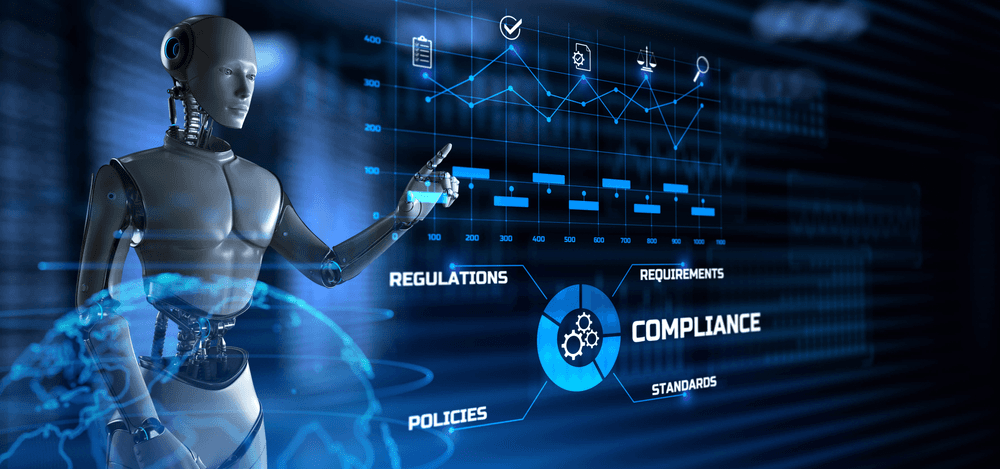
Enter Digital Commissioning
Tools like KomeshaBuild bring transparency and accountability to the field. Every inspection, test, and verification is logged digitally, tied to specific assets and users.
This ensures:
Every system is verified against the latest approved drawings.
Subcontractors have clear, accessible tasks.
Managers can track compliance in real time.
Digital QA/QC workflows reduce friction between the design team and site engineers—turning fragmented information into structured, traceable data.
The Role of Commissioning in Ensuring Quality
Commissioning is the final proof of quality. It verifies that all systems—electrical, plumbing, HVAC, and life safety—work as intended.
But commissioning has evolved from a final check to a continuous process integrated throughout the project lifecycle.
Traditional Commissioning Challenges
Disconnected spreadsheets and paper reports
Lost or inconsistent test documentation
Poor coordination between consultants and contractors
These make it difficult to confirm that each subsystem performs according to design.
How KomeshaBuild Reinvents Commissioning
KomeshaBuild transforms commissioning into a digital-first, collaborative process.
It ensures that:
Each asset and test result is linked to the digital project model.
Field engineers can record inspections via mobile devices.
Project managers access dashboards showing live commissioning progress.
Documentation is centralized, structured, and ready for handover.
In essence, KomeshaBuild makes quality measurable and visible.
Quality as a Team Culture, Not Just a Checklist
Tools can enable quality, but culture sustains it. True quality in construction arises when every stakeholder—from the design engineer to the site technician—understands and owns their part in the process.
Building a Quality-First Mindset
Training and Competency – Equip teams with both technical and digital literacy.
Transparent Communication – Digital tools should enhance collaboration, not replace it.
Accountability – Use data to promote responsibility, not blame.
Continuous Improvement – Every project generates lessons that should feed into the next.
A culture of continuous improvement transforms quality from a burden into a competitive advantage.
How Technology Is Redefining Construction Quality
The construction industry is undergoing a data revolution. Quality no longer depends solely on human oversight—it’s increasingly augmented by data intelligence and digital workflows.
Digital Checklists and Field Verification
Paper forms are inefficient and prone to loss. Digital checklists ensure consistency, traceability, and easy review.
Cloud-Based Documentation
Storing all test results, certifications, and approvals in one platform ensures compliance documentation is never misplaced. It also simplifies audits and client handovers.
Integration with Design Models
Platforms like KomeshaBuild link commissioning data to design systems. That means a mechanical component tested on-site can be tied back to its BIM model instance—ensuring true data continuity.
Predictive Analytics and AI
As the industry adopts more digital systems, the next leap is predictive quality control. AI can identify patterns—like frequent non-conformance in certain installations—helping teams fix systemic issues before they recur.
From Quality Control to Quality Assurance
It’s easy to confuse these two, but the distinction is key.
Quality Control (QC): Reactive. It finds defects after they occur.
Quality Assurance (QA): Proactive. It builds systems and processes to prevent defects in the first place.
Modern tools like KomeshaBuild merge both worlds. They help teams establish QA frameworks (defining standards, workflows, and tests) and automate QC checks (inspections, validation, and sign-offs).
This alignment transforms quality from a reactive phase into a continuous discipline that runs throughout the project lifecycle.
The Future of Quality: Data-Driven Commissioning
Imagine a construction ecosystem where:
Every asset is tagged, tracked, and verified digitally.
Every inspection is traceable to a responsible engineer.
Every handover includes a complete digital record of tests and certifications.
That future isn’t far—it’s already emerging. Digital commissioning platforms are turning static checklists into dynamic datasets.
KomeshaBuild represents this shift: from compliance-driven processes to performance-driven construction.
When every decision is backed by data, quality becomes measurable—not subjective.
Why Quality is the Ultimate Brand for Construction Firms
In an increasingly competitive market, clients remember two things: how fast you delivered and how well the building performs after handover.
Speed is important, but quality builds legacy.
A well-executed project doesn’t just fulfill a contract—it becomes a living case study, a reference point for excellence, and a magnet for future opportunities.
For construction firms, embracing digital quality management isn’t just about compliance—it’s a growth strategy.
Conclusion: Quality is the Real Measure of Progress
Quality in construction is not a luxury; it’s the measure of integrity, safety, and innovation. It determines whether a project stands the test of time or crumbles under the weight of shortcuts.
The industry’s move toward digital transformation makes it possible to uphold higher standards without sacrificing efficiency. Platforms like KomeshaBuild give project managers, engineers, and clients a unified view of performance—turning complex commissioning workflows into clear, data-driven processes.
So, does quality matter in construction?
It always has. The only difference today is that technology finally gives us the tools to prove it.