Emerging Trends in Building Commissioning: What the Next 5 Years Hold
Jan 24, 2025
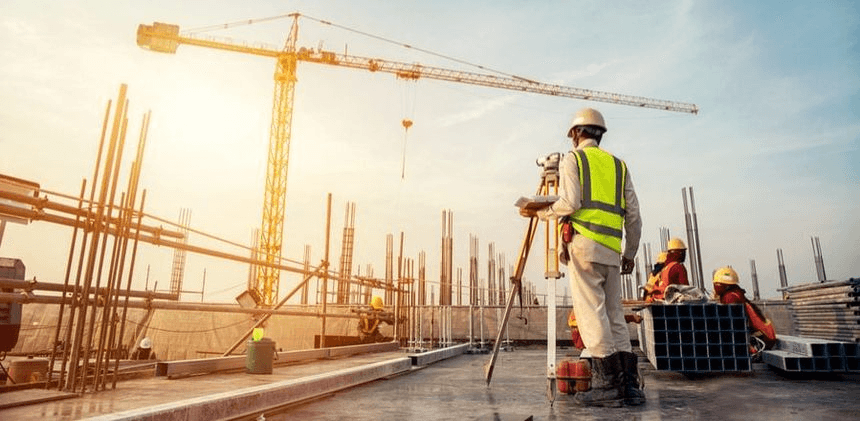
The building industry is in constant flux, driven by technological advancements, sustainability concerns, and evolving occupant expectations. Building commissioning, the systematic process of ensuring that building systems perform as intended, is no exception. Over the next five years, we'll see a significant transformation in how commissioning is approached, fueled by emerging technologies and a growing emphasis on data-driven decision-making. This article explores some of the key trends that will shape the future of building commissioning.
1. The Rise of Digital Twins and Virtual Commissioning:
Digital twin technology, which creates a virtual replica of a physical building, is poised to revolutionize the commissioning process. These digital models, populated with real-time data from building systems, allow for virtual commissioning – testing and optimizing building performance before construction is even complete. By simulating various scenarios and identifying potential issues early on, virtual commissioning can significantly reduce on-site commissioning time and costs, while also improving overall building performance. In the next five years, we'll see wider adoption of digital twin technology, integrated with Building Information Modeling (BIM), enabling more sophisticated and accurate virtual commissioning.
2. AI and Machine Learning for Predictive Commissioning:
Artificial intelligence (AI) and machine learning (ML) are set to play a crucial role in making commissioning more predictive and proactive. By analyzing vast amounts of data from building systems, AI algorithms can identify patterns and anomalies that might indicate future problems. This allows for predictive maintenance and proactive interventions, preventing costly downtime and ensuring optimal building performance. Furthermore, ML algorithms can learn from past commissioning data to optimize future processes, making them more efficient and effective. We can expect to see AI-powered tools integrated into commissioning platforms, providing real-time insights and recommendations for optimizing building performance.
3. The Internet of Things (IoT) and Smart Building Integration:
The proliferation of IoT devices and smart building technologies is creating a wealth of data that can be leveraged for commissioning. Sensors embedded in building systems can collect real-time data on everything from temperature and humidity to energy consumption and occupancy. This data can be used to monitor building performance remotely, identify potential issues, and optimize system operation. Furthermore, smart building platforms can integrate various building systems, allowing for centralized control and automated responses to changing conditions. In the coming years, we'll see even greater integration of IoT and smart building technologies into commissioning processes, enabling more comprehensive and efficient monitoring and control.
4. Cloud-Based Commissioning Platforms and Data Analytics:
Cloud-based platforms are transforming how commissioning data is managed and analyzed. These platforms provide a centralized repository for all commissioning-related information, making it accessible to stakeholders from anywhere with an internet connection. Cloud-based analytics tools can process vast amounts of data, providing valuable insights into building performance and identifying areas for improvement. Furthermore, cloud-based platforms facilitate collaboration among different stakeholders, streamlining the commissioning process and improving communication. As cloud adoption continues to grow, we can expect to see more sophisticated cloud-based commissioning platforms emerge, offering advanced analytics and collaboration features.
5. Increased Focus on Cybersecurity:
As buildings become more connected and reliant on digital technologies, cybersecurity becomes increasingly important. Commissioning processes must address cybersecurity risks by ensuring that building systems are protected from unauthorized access and cyberattacks. This includes implementing robust security protocols, conducting regular vulnerability assessments, and educating building operators on cybersecurity best practices. In the next five years, we'll see a greater emphasis on cybersecurity in building commissioning, with new standards and guidelines emerging to address the evolving threat landscape.
6. Emphasis on Occupant Comfort and Wellbeing:
Modern building commissioning goes beyond simply ensuring that systems function as intended. It also focuses on creating comfortable and healthy environments for building occupants. This includes optimizing indoor air quality, thermal comfort, lighting, and acoustics. Commissioning processes are increasingly incorporating occupant feedback and data to ensure that buildings meet the needs of their users. We can expect to see more sophisticated tools and techniques used to measure and analyze occupant comfort and wellbeing, informing commissioning decisions and driving building design.
7. Integration of Building Automation Systems (BAS) and Analytics:
Building Automation Systems (BAS) play a crucial role in controlling and monitoring building systems. Integrating BAS with commissioning processes allows for automated testing and data collection, streamlining the commissioning process and improving accuracy. Furthermore, BAS data can be analyzed to identify trends and optimize building performance over time. In the future, we'll see even tighter integration of BAS and commissioning, with advanced analytics tools used to extract valuable insights from BAS data.
8. Modular and Prefabricated Construction:
The rise of modular and prefabricated construction methods is impacting the commissioning landscape. These construction methods require a different approach to commissioning, as many building components are assembled off-site. Commissioning processes must adapt to this trend by incorporating factory acceptance testing and integrating off-site testing data into the overall commissioning process. We can expect to see new commissioning protocols and tools developed to address the unique challenges of modular and prefabricated construction.
9. The Growing Importance of Sustainability and Energy Efficiency:
Sustainability and energy efficiency are key drivers of innovation in the building industry. Commissioning plays a crucial role in ensuring that buildings meet their energy performance targets and minimize their environmental impact. We can expect to see increased emphasis on energy modeling and simulation during the commissioning process, as well as the use of advanced analytics tools to track and optimize energy consumption. Furthermore, commissioning will play a key role in verifying the performance of green building technologies, such as solar panels and rainwater harvesting systems.
10. The Evolution of Commissioning Standards and Best Practices:
As the building industry evolves, so too must commissioning standards and best practices. Organizations like ASHRAE and the Building Commissioning Association (BCA) are constantly updating their guidelines to reflect the latest technologies and best practices. In the next five years, we can expect to see further refinement of commissioning standards, with a greater emphasis on data-driven decision-making, cybersecurity, and occupant wellbeing. These evolving standards will provide a framework for ensuring that buildings are commissioned effectively and meet the needs of their occupants and the environment.
Conclusion:
The next five years promise to be a period of significant transformation for building commissioning. Emerging technologies like digital twins, AI, IoT, and cloud computing are reshaping the landscape, enabling more efficient, predictive, and data-driven commissioning processes. As buildings become more complex and interconnected, commissioning will play an even more crucial role in ensuring that they perform as intended, meet the needs of their occupants, and minimize their environmental impact. By embracing these emerging trends and adapting to the changing landscape, building professionals can unlock the full potential of commissioning and create a future of high-performing, sustainable, and occupant-centric buildings.